Capturing Light and Shadow in Medium Format Photography
- Dustin Giallanza
- Feb 27
- 4 min read

Updated: Mar 10
Photography is an art form that transcends mere documentation; it captures emotions, stories, and moments in time. Among the various formats available, medium format photography stands out for its ability to render exquisite detail and dynamic range. This post explores how to effectively capture light and shadow in medium format photography, enhancing your images and elevating your artistic expression.
Understanding Medium Format Photography
Medium format cameras typically use film or digital sensors larger than 35mm, often ranging from 6x4.5 cm to 6x9 cm in film size or equivalent digital sensors. This larger size allows for:
Higher Resolution: More detail in your images, making them ideal for large prints.
Better Depth of Field Control: Greater flexibility in achieving the desired focus and background blur.
Dynamic Range: Enhanced ability to capture highlights and shadows, providing a more nuanced image.
Why Light and Shadow Matter
Light and shadow are fundamental elements in photography. They create mood, depth, and dimension. Understanding how to manipulate these elements can transform a flat image into a compelling visual narrative.
Light: Defines the subject, highlights textures, and sets the tone.
Shadow: Adds depth, creates contrast, and can evoke emotion.
The Role of Light in Medium Format Photography
Types of Light
Different types of light can dramatically affect your photographs. Here are a few to consider:
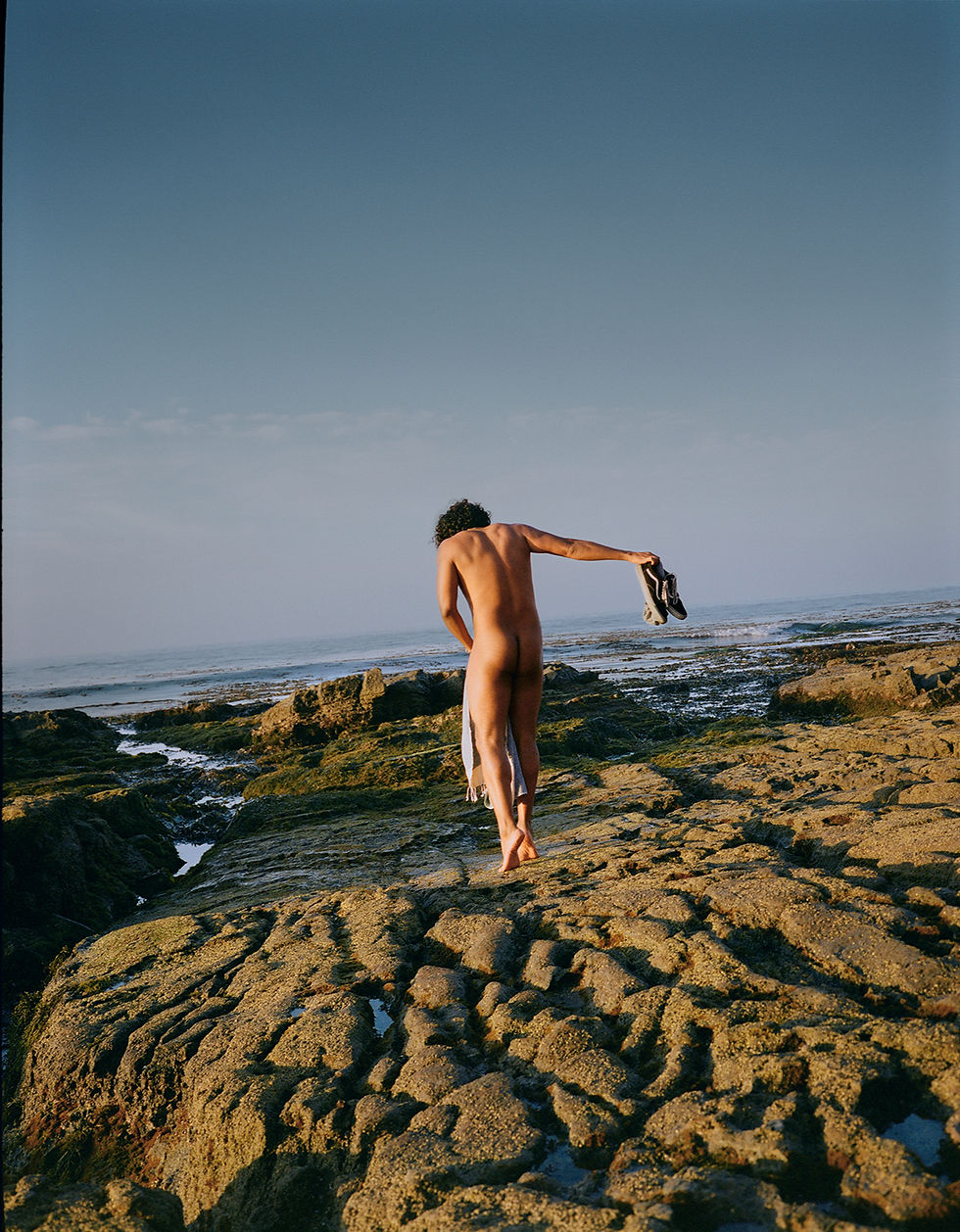
Natural Light: Soft, diffused light during golden hour (just after sunrise or before sunset) can create stunning images with warm tones.
Artificial Light: Studio lights or flash can be controlled to highlight specific areas of your subject.
Mixed Light: Combining natural and artificial light can produce unique effects, but requires careful balancing.
Techniques for Capturing Light
Use Reflectors: To bounce light onto your subject, enhancing highlights and reducing harsh shadows.
Experiment with Angles: Changing your shooting angle can alter how light interacts with your subject, creating different moods.
Control Exposure: Use your camera settings to manage how much light enters the lens. A slower shutter speed can capture more light, while a faster speed can freeze motion.
The Impact of Shadow
Understanding Shadows
Shadows can be your best friend in photography. They add depth and dimension, creating a three-dimensional feel in a two-dimensional medium. Here’s how to use shadows effectively:
Create Contrast: Strong shadows can enhance the contrast in your images, making them more visually striking.
Add Mystery: Shadows can obscure details, inviting viewers to engage with the image more deeply.
Guide the Eye: Use shadows to lead the viewer’s gaze toward the focal point of your photograph.
Techniques for Capturing Shadows
Backlighting: Position your subject in front of a light source to create dramatic shadows.
Use of Patterns: Look for natural patterns in shadows, such as those created by trees or architectural elements.
Silhouettes: Capture your subject as a silhouette against a bright background, emphasizing the shape and form.
Composition Techniques
Rule of Thirds
The rule of thirds is a fundamental composition technique that can help you create balanced and engaging images. Divide your frame into a 3x3 grid and position key elements along the lines or at their intersections. This technique can enhance the interplay of light and shadow in your photographs.
Leading Lines
Use natural lines in your environment to guide the viewer’s eye through the image. Roads, rivers, or architectural features can create a path that draws attention to your subject, especially when combined with contrasting light and shadow.
Framing
Incorporate elements in your foreground to frame your subject. This technique can add depth and context, enhancing the overall composition while playing with light and shadow.
Post-Processing Techniques
Enhancing Light and Shadow
Post-processing is an essential part of modern photography. Here are some tips for enhancing light and shadow in your images:
Adjust Exposure: Fine-tune the exposure to bring out details in both highlights and shadows.
Use Curves: The curves tool allows for precise control over tonal ranges, helping to enhance contrast.
Dodge and Burn: Selectively lighten (dodge) or darken (burn) areas of your image to emphasize light and shadow.
Color Grading
Color grading can also affect the mood of your photograph. Warmer tones can evoke feelings of nostalgia, while cooler tones can create a sense of calm. Experiment with color grading to complement the light and shadow in your images.
Practical Examples
Landscape Photography
In landscape photography, capturing the interplay of light and shadow can create dramatic scenes. For instance, shooting during the golden hour can enhance the textures of mountains or fields, while shadows can add depth to the composition.
Portrait Photography
In portrait photography, using shadows can add a layer of intrigue. Positioning your subject near a window can create soft shadows that sculpt their features, adding dimension to the image.
Still Life Photography
For still life, consider how light and shadow interact with your objects. Using a single light source can create strong shadows that add drama, while multiple light sources can soften shadows for a more delicate look.
Conclusion
Mastering the art of capturing light and shadow in medium format photography is a journey that requires practice and experimentation. By understanding the role of light, utilizing shadows effectively, and applying thoughtful composition techniques, you can elevate your photography to new heights.
As you continue to explore this fascinating medium, remember to embrace the unique qualities of medium format cameras. They offer a distinct perspective that can transform your vision into stunning visual narratives. So grab your camera, head out, and start capturing the beautiful dance of light and shadow in your world.

Comments